



- Automobiles & Motorcycles
- Beauty & Personal Care
- Business Services
- Chemicals
- Construction & Real Estate
- Consumer Electronics
- Electrical Equipment & Supplies
- Electronic Components & Supplies
- Energy
- Environment
- Excess Inventory
- Fashion Accessories
- Food & Beverage
- Furniture
- Gifts & Crafts
- Hardware
- Health & Medical
- Home & Garden
- Home Appliances
- Lights & Lighting
- Luggage, Bags & Cases
- Machinery
- Measurement & Analysis Instruments
- Mechanical Parts & Fabrication Services
- Minerals & Metallurgy
- Office & School Supplies
- Packaging & Printing
- Rubber & Plastics
- Security & Protection
- Service Equipment
- Shoes & Accessories
- Sports & Entertainment
- Telecommunications
- Textiles & Leather Products
- Timepieces, Jewelry, Eyewear
- Tools
- Toys & Hobbies
- Transportation
What to Consider When Choosing a rough terrain scissor lift
When selecting a rough terrain scissor lift, several factors need careful consideration to ensure the right choice for your specific needs. These lifts are essential for accessing elevated areas in outdoor environments with uneven or rugged terrain, making it crucial to choose a model that offers the necessary capabilities and safety features. Here are key considerations to keep in mind when choosing a rough terrain scissor lift:
1. Terrain Conditions
Evaluate the terrain where the Diesel Power Rough Terrain Scissor Lift will be used. Rough terrain models are designed to navigate uneven, unstable, or sloped surfaces, so assess factors such as ground conditions, gradients, obstacles, and potential hazards to ensure the lift's compatibility with the environment.
2. Height and Reach Requirements
Determine the maximum working height and reach needed for your applications. Rough terrain scissor lifts come in various sizes and configurations, offering different maximum platform heights and outreach capabilities. Choose a lift that can safely reach the desired elevation for tasks such as construction, maintenance, or landscaping.
3. Load Capacity
Consider the maximum load capacity of the all terrain scissor lift to ensure it can safely support the weight of workers, tools, and materials. Factor in the combined weight of personnel, equipment, and supplies typically used during operations to select a lift with an appropriate load rating for your requirements.
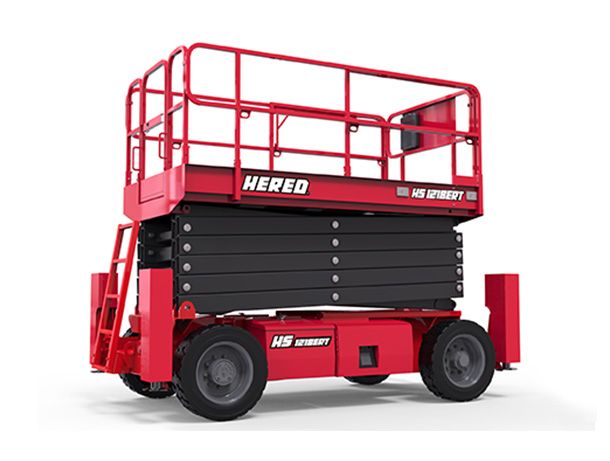
4. Maneuverability and Mobility
Assess the lift's maneuverability and mobility features, including steering options, drive systems, and tire types. Look for models with four-wheel drive capabilities, oscillating axles, and rugged tires designed for off-road use to enhance stability, traction, and maneuvering performance on rough terrain surfaces.
5. Power Source
Further reading:4 Advice to Choose a Stating Machine
How to Save Money When Buying Flatbed Heat Press Machine
Yuchai YC330 vs Competitors: Are Large Crawler Excavators Worth It?
What Makes Precision Rotary Roll-to-Roll Presses Superior?
Maximize Efficiency with Bulk Steel Bar Straightening
4 Tips for Choosing a Wire Guide Roller
Lithium-ion battery price worldwide 2013-2024
Choose between diesel, dual-fuel, or battery-powered rough terrain scissor lifts based on your preferences and operational requirements. Diesel-powered lifts offer extended run times and higher power output for outdoor applications, while battery-powered models provide quieter operation, zero emissions, and indoor versatility.
6. Platform Size and Configuration
Select a scissor lift with a platform size and configuration that accommodates the number of workers and tools needed for the job. Consider factors such as platform dimensions, entry points, guardrails, and integrated tool trays or holders to ensure comfort, safety, and efficiency during operations.
7. Safety Features
Prioritize safety features when choosing a rough terrain scissor lift for sale. Look for lifts equipped with safety interlocks, emergency stop buttons, tilt sensors, overload protection, and fall arrest systems to mitigate risks and ensure operator safety during use. Verify that the lift complies with relevant safety standards and regulations.
8. Maintenance and Serviceability
Consider the ease of maintenance and serviceability of the scissor lift, including access to components, diagnostic capabilities, and availability of spare parts. Choose a model from a reputable manufacturer with a reliable service network and comprehensive support options to minimize downtime and ensure long-term reliability.
Conclusion
Choosing the right rough terrain scissor lift requires careful consideration of terrain conditions, height requirements, load capacity, maneuverability, power source, platform configuration, safety features, and maintenance considerations. By evaluating these factors and selecting a lift that meets your specific needs, you can enhance productivity, safety, and efficiency in outdoor elevated work environments.
How much is a boiler for a 2000 sq ft house?
How to Choose a Nano Brewery Kettle
4 in 1 Integrated Air Compressor vs Traditional Air Compressors
How to Choose Dye Sub Heat Press: A Complete Guide
What Are the Basics of Wire Straightening?
How Does Hydraulic Breaker Attachments Work?
The Benefits of Using Fabric Handling Equipment: How it Can Improve Efficiency and Safety in Your Workplace
Next
None
Related Articles


If you are interested in sending in a Guest Blogger Submission,welcome to write for us!
Comments
0